Ladders are commonly used tools in various industries for tasks that require access to elevated work areas. While ladders are ubiquitous in the workplace, they also pose significant risks if not used correctly. Recognizing the importance of ladder safety, the Occupational Safety and Health Administration (OSHA) in the United States has established specific training requirements and guidelines to ensure safe ladder usage.
Train the Trainer Programs in the Workplace
In today’s dynamic and competitive business environment, continuous learning and development are essential for organizations to thrive. Train-the-trainer programs have emerged as a crucial component of workforce development, enabling organizations to build a culture of learning, enhance employee skills, and drive organizational success. In this article, we will explore the importance of a train-the-trainer program in the workplace, highlighting its benefits, key elements, and how it contributes to organizational growth and sustainability.
Understanding OSHA’s Role in Golf Cart Safety in the Workplace
Golf carts, commonly used in various workplaces across the United States, present unique safety challenges. While they are often perceived as low-risk vehicles, improper use can lead to serious injuries. The Occupational Safety and Health Administration (OSHA) addresses these concerns through specific regulations and general safety clauses.
Tick Safety and Lyme Disease Prevention
Tick safety and Lyme disease prevention are vital public health concerns in the United States, especially in regions where ticks are widespread, such as the Northeast, Midwest, and parts of the Pacific Northwest. With thousands of Lyme disease cases reported annually, it is essential for individuals, outdoor workers, and recreational enthusiasts to understand how to protect themselves.
Crane Safety Essentials Before Operating Heavy Lifting Equipment Daily
Moving massive steel beams across loud warehouses demands total focus every single day. One tiny mistake drops heavy loads and ruins lives in a heartbeat. Operators handle powerful machinery that requires deep respect and careful handling. Taking an Overhead Crane Training Online course helps workers learn crucial skills to spot dangers early. Workers need proper knowledge before touching heavy levers. Staying safe keeps the whole warehouse running smoothly without any tragic workplace accidents.
Checking Daily Equipment Before Use
Machines need a thorough check before lifting any heavy cargo off the ground. Steel cables require careful inspection for fraying strands or sharp kinks. Hooks hold immense weight and must feature working safety latches at all times. Brakes stop movement instantly when trouble arises on the floor. Ignoring a cracked pulley invites total mechanical failure during a lift. Mechanics fix minor faults before operations start. Good daily checks prevent unexpected breakdowns.
Understanding Load Weight Limits
Every hoist has a maximum capacity printed clearly on its side plates. Exceeding this limit strains structural frames and snaps cables instantly. Operators calculate total weight including rigging gear before pushing buttons. Guessing load sizes creates extreme hazards for ground crews working nearby. Scales provide exact numbers to keep lifts well within safe operational boundaries. Respecting weight limits protects expensive machinery. Overloading leads directly to structural collapse and severe injuries.
Mastering Hand Signals Effectively
Warehouse noise drowns out human voices easily during busy shifts. Standard hand signals bridge the communication gap between operators and riggers below. Taking an Online Overhead Crane Operator Course teaches these vital communication techniques clearly. Clear gestures prevent dangerous swinging loads from striking nearby warehouse racks. Every crew member must understand each specific movement cue without confusion. Smooth coordination keeps heavy materials moving precisely where they need to go.
Securing Proper Rigging Gear
Slings and chains wrap around heavy items to secure them tightly. Damaged synthetic webs snap under pressure and drop expensive cargo everywhere. Riggers check for cuts or burn before attaching loads to crane hooks. Shackles must lock completely shut to prevent accidental slippage midair. Using improper knots weakens holding power significantly during a vertical lift. Quality rigging hardware ensures loads stay balanced. Safe fastening practices keep everyone on the floor secure.
Maintaining Clear Travel Paths
Floors cluttered with pallets create tripping hazards for guiding crews. Operators map out clear travel lanes before moving any suspended load forward. Workers clear bystanders out of drop zones well in advance. Overhead obstructions like electrical lines demand extra clearance during transit routes. Moving slowly prevents sudden swinging motions that destabilize heavy cargo. Good visibility ensures operators see unexpected obstacles immediately. Clear pathways make every lift much safer.
Responding to Emergency Situations
Power failures or mechanical jams happen unexpectedly during busy shifts. Operators stay calm and follow established emergency protocols without hesitation. Hitting the main red stop button cuts power to the system instantly. Crew members evacuate the drop zone following designated safety exit routes. Quick reactions prevent falling loads from causing catastrophic damage below. Maintenance teams inspect damaged units thoroughly before restoring power. Preparedness saves lives when critical equipment malfunctions.
Conclusion
Heavy lifting demands absolute concentration and strict adherence to established safety protocols from every team member on the floor. Proper education stops disasters before they happen by teaching vital operational skills. Reliable tools work best when operators know the exact ways to handle them under pressure. Visit safetraining.com to upgrade your heavy equipment skills today, stay secure during every shift, and protect your entire crew from unexpected workplace hazards.
check out our site for more details.
Safe Propane Handling Practices Every Technician Should Understand
Working with flammable gases brings heavy risks every single day out in the field. Technicians deal with pressurized tanks, metal valves and leaky joints that demand extreme care. One tiny spark or loose fitting can turn a normal shift into chaos. Proper education provides the exact skills needed to manage these pressurized energy sources safely. Enrolling in a Propane Handling Course Online gives field workers the essential methods to spot hidden leaks and stop catastrophic failures before they happen.
Understanding Basic Gas Dangers
Energy sources like gas demand total respect from every single technician on the service crew. Invisible vapors drift through the air and find pilot lights hiding in corners. Workers smell that rotten egg scent and freeze because danger is close. Testing lines with soapy water reveals tiny bubbles growing where metal meets pipe. Skipping pressure checks creates ticking time bombs in residential basements. Respecting the invisible threat keeps local neighborhoods safe from sudden blasts and structural fires.
Checking Storage Tank Safety
Heavy steel tanks sit outside homes waiting to feed heaters and kitchen stoves. Rust spots eat away at protective paint coatings over long rainy seasons. Technicians inspect tank footings and relief valves for signs of structural wear. Completing a valid propane certification online program ensures proper inspection protocols are followed correctly. Loose brackets or cracked concrete pads invite disaster during high wind events. Securing every single tank tightly stops rolling cylinders from crashing into brick walls or breaking gas lines.
Mastering Valve Operation Steps
Valves control massive pressures hiding inside metal cylinders. Turning handles too fast creates sudden pressure spikes that damage downstream regulators. Workers open valves slowly while listening carefully for rushing gas sounds. Faulty seals let fuel escape into open workspaces instantly. Replacing worn O-rings during routine service calls prevents slow leaks from turning explosive. Clean tools and steady hands ensure smooth operation every time. Proper technique keeps technicians out of harm’s way during high-pressure system adjustments.
Detecting Hidden System Leaks
Gas leaks often hide behind walls or beneath large kitchen appliances. Electronic sniffers beep loudly when invisible fuel enters the surrounding atmosphere. Technicians sweep sensors along every joint, elbow and union in the pipeline. Ignoring a faint smell because it seems minor leads directly to severe accidents. Ventilating closed rooms immediately clears dangerous gas clouds before ignition sources appear. Diligent testing uncovers invisible problems long before homeowners notice anything wrong in their living spaces.
Following Proper Emergency Protocols
Emergencies happen without warning during routine equipment maintenance tasks. Crews shut off main supply valves immediately when unexpected gas rushes into open spaces. Emergency response plans guide every action during high-stress situations in the field. Fast evacuation protects team members from inhaling toxic fumes or facing explosions. Local fire departments arrive quickly to handle major gas releases safely. Staying calm under pressure prevents panic from making a bad situation worse for everyone involved.
Maintaining Accurate Safety Records
Paperwork matters just as much as physical wrench turning on job sites. Technicians log every pressure test and valve replacement into official company databases. Clear records prove that service work met strict industry standards during safety audits. Missing documentation creates legal liabilities if equipment fails later down the road. Detailed logs protect both the business and the technician from false blame. Honest reporting builds long-term trust with clients who rely on expert service providers for domestic energy needs.
Conclusion
Gas systems require absolute precision and unyielding attention from every professional working in the field today. Proper training transforms dangerous situations into manageable tasks through proven safety methods and careful habits. Technicians who respect pressurized fuel protect their local communities from unexpected disasters. Visit safetraining.com to elevate your technical expertise and build a secure career foundation. Staying educated ensures every service call ends safely with happy clients and well-protected work crews.
check out our site for more details.
SAFE Training North America
To get your OSHA flagger certification online, go to Safetraining.com. Get a head start in the safety industry without leaving your house by taking classes online!
Online Flagger Certification | Safetraining.com
If you are interested in working in traffic control, Safetraining.com offers an online flagger certification program. Trusted by thousands, affordable, and easy.
https://safetraining.com/course/traffic-control-construction-online-course/

Online Scissor Training Course | Safetraining.com
Learn how to use scissors effectively and conveniently with Safetraining.com online course. Improving your abilities doesn’t have to leave your house. Sign up now!

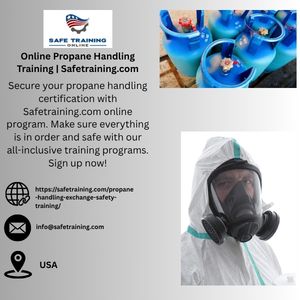
Online Propane Handling Training | Safetraining.com
Secure your propane handling certification with Safetraining.com online program. Make sure everything is in order and safe with our all-inclusive training programs. Sign up now!
https://safetraining.com/propane-handling-exchange-safety-training/
 safetraining.com