The most practical and trustworthy approach to guaranteeing safety on the job is to get your safety certificate online from Safetraining.com. Join us now!
Pipeline Construction Safety Training | Safetraining.com
Use Safetraining.com extensive safety training to make sure your pipeline construction crew stays safe. Keep your employees and the project safe.
Overhead Crane Training | Safetraining.com
You may get your overhead crane certification with Safetraining.com. Our knowledgeable instructors and practical curriculum will get you ready for the workforce.
Mastering Safety with Propane Certification Online
Propane is a versatile fuel widely used in various industries and residential settings due to its efficiency and cost-effectiveness. However, its handling requires precision and specialized training to ensure both safety and operational efficiency. This article delves into the benefits of the propane handling certification online and the Propane Training Course, emphasizing their significance for workers and businesses committed to improving safety standards and minimizing risks.
Importance of Safe Propane Handling
Propane is an efficient energy source that supports a wide range of applications, but it poses significant risks if not handled correctly. The propane handling certification online equips individuals with essential skills and knowledge to manage propane safely in various scenarios. This certification covers crucial topics such as proper storage protocols, secure transportation guidelines, and effective emergency response measures, ensuring that participants can handle propane confidently while reducing the potential for workplace hazards and accidents.
Comprehensive Training for Professionals
The Propane Training Course is designed for professionals across industries where propane is a critical component of daily operations, including construction, manufacturing, and logistics. This course emphasizes practical aspects like equipment maintenance, fuel monitoring, and advanced risk management strategies. By completing this program, participants not only reduce workplace incidents but also build the expertise needed to improve operational efficiency, enhance job performance, and foster a safer working environment for everyone involved.

Online Learning for Flexibility
The propane handling certification online offers an accessible and flexible learning option, enabling individuals to enhance their knowledge without disrupting their busy schedules. Participants can benefit from engaging, interactive modules, industry-relevant content, and expert insights delivered at their own pace. This modern approach to training ensures a comprehensive understanding of propane handling, making it an ideal choice for professionals seeking to balance career growth with their day-to-day responsibilities while gaining valuable certification.
Enhancing Safety through Specialized Knowledge
A Propane Training Course provides individuals with specialized knowledge designed to address the unique challenges of working with propane in different environments. Topics such as pressure regulation, effective leak detection, and the correct use of cylinders are thoroughly covered to equip participants with the skills needed for safe operations. This training prepares individuals to handle hazards effectively and safeguard personnel, equipment, and property in propane-reliant workplaces while maintaining regulatory compliance.
Certification for Career Advancement
Obtaining the propane handling certification online significantly enhances career prospects across multiple industries, including construction, logistics, and the energy sector. Employers highly value certified professionals for their technical expertise and unwavering commitment to workplace safety. This certification not only demonstrates a proactive approach to maintaining high safety standards but also empowers individuals to secure better opportunities, contribute to safer work practices, and achieve long-term professional growth within propane-related roles.
Promoting a Culture of Safety
The Propane Training Course focuses on the critical goal of promoting a safety-first culture within workplaces that rely on propane. Through rigorous training and hands-on applications, participants cultivate a proactive safety mindset that extends beyond compliance. This shift benefits businesses by reducing the risk of accidents, streamlining operations, improving regulatory adherence, and ensuring the well-being of employees, customers, and stakeholders, creating a sustainable and secure work environment.
Conclusion
In conclusion, propane safety training is an essential investment for anyone working with this versatile and powerful fuel. The propane handling certification online and Propane Training Course offer comprehensive knowledge and practical skills needed to handle propane effectively and securely. Explore these indispensable training programs today at safetraining.com and take a crucial step toward achieving excellence in safety and efficiency across your professional endeavors.
For further info, visit our site.
Master Traffic Safety with Comprehensive Online Training
Effective traffic control is essential to maintaining safety in high-risk environments, such as construction sites and busy urban areas. Training programs tailored to traffic control help individuals master skills for managing these critical tasks. This article explores the benefits of online traffic control training and the significance of becoming a certified traffic control person Toronto, emphasizing their value in today’s safety-focused world.
The Role of Traffic Control
Traffic control is a vital component of workplace safety, especially in sectors like construction, road maintenance, and event management. Online traffic control training equips individuals with the skills needed to regulate traffic, protect workers, and minimize disruptions. This training ensures that participants understand regulations, safety procedures, and communication techniques critical to effective traffic management.
Online Training for Convenience
Traditional classroom-based training can pose scheduling challenges for busy professionals. Online traffic control training provides a flexible and convenient alternative, enabling individuals to learn at their own pace from any location. The interactive nature of online modules enhances understanding, while real-world scenarios prepare participants to handle various situations confidently, ensuring they are job-ready.

Certification for Traffic Control Roles
Becoming a certified traffic control person Toronto is a crucial step for anyone seeking to work in traffic management within the city. Toronto’s bustling streets and frequent construction projects demand highly trained individuals to ensure safety and efficiency. Certification validates a person’s ability to direct traffic effectively and respond to emergencies, making it a valuable credential for career advancement.
Skills Developed Through Training
Both online traffic control training and certification as a traffic control person Toronto focus on practical skills essential for success. These programs teach participants how to assess risks, utilize traffic control devices, and implement best practices. By mastering these skills, individuals not only meet regulatory requirements but also contribute to safer environments for workers, drivers, and pedestrians alike.
Career Growth in Traffic Control
Investing in traffic control training opens up numerous opportunities in industries like construction, transportation, and public safety. Certification as a traffic control person Toronto highlights a candidate’s dedication to safety and professionalism. Employers value trained individuals for their ability to enhance safety on projects and mitigate risks, leading to better job prospects and long-term career stability.
Building a Culture of Safety
Training programs such as online traffic control training play a pivotal role in fostering a safety-conscious mindset across industries. Participants learn to prioritize the well-being of everyone involved, from workers to the general public. By implementing the knowledge gained during training, individuals contribute to creating a culture that emphasizes safety, efficiency, and compliance in all traffic management operations.
Conclusion
In conclusion, traffic control training is indispensable for ensuring safety and efficiency in high-risk environments. Programs like online traffic control training and certification for a traffic control person Toronto offer the knowledge and skills required to excel in these vital roles. Explore these essential training options today at safetraining.com and advance your career in traffic management with confidence and expertise.
To learn more about us, visit our site.
Osha Training Online | Safetraining.com
Take advantage of Safetraining.com hassle-free online courses to get your OSHA certification. Use our reliable brand to guarantee compliance and a safe workplace. Sign up now!
Online Safety Training Courses | Safetraining.com
Use the online safety training courses offered by Safetraining.com to make your workplace safer. Regardless of your field, our AI technology can design a course just for you. Give us a call right now!
Safety Training Online Courses | Safetraining.com
The online safety courses offered by Safetraining.com are both easy and efficient. Our extensive initiatives will guarantee a safe workplace.
Enhancing Pipeline Safety with Employee Training
Pipeline construction is a high-risk industry where safety is paramount. Whether constructing new pipelines or maintaining existing ones, it’s essential that workers understand the potential hazards and how to mitigate them. One of the most effective ways to ensure safety on the job is through safety employee training. By focusing on comprehensive education and safety measures, workers can be better equipped to handle the challenges of pipeline construction. In this article, we’ll explore the importance of safety training in pipeline construction and how pipeline construction safety training online can be a game-changer for employees and employers alike.
Importance of Safety Employee Training
Safety employee training is critical for any construction job, but it becomes even more crucial in pipeline construction. This field presents unique dangers, such as exposure to hazardous materials, working in confined spaces, and the risk of heavy machinery accidents. Without the proper safety knowledge, employees are more vulnerable to accidents, which can result in injury or even death.
By investing in safety employee training, employers create a culture of safety that helps reduce workplace accidents. Employees who are trained in safety protocols understand how to identify potential hazards, use safety equipment correctly, and follow safety procedures. Additionally, they become more confident in their ability to handle emergencies, which further contributes to a safer work environment.
Key Areas of Pipeline Construction Safety Training
Pipeline construction safety training should cover a wide range of topics to ensure that workers are well-prepared for the various risks they might face. Key areas to focus on include:
-
Hazardous Material Handling: Workers should be trained in handling hazardous materials that might be present on the site, such as chemicals, gases, and fuels. This training includes understanding labeling systems, proper storage, and emergency response.
-
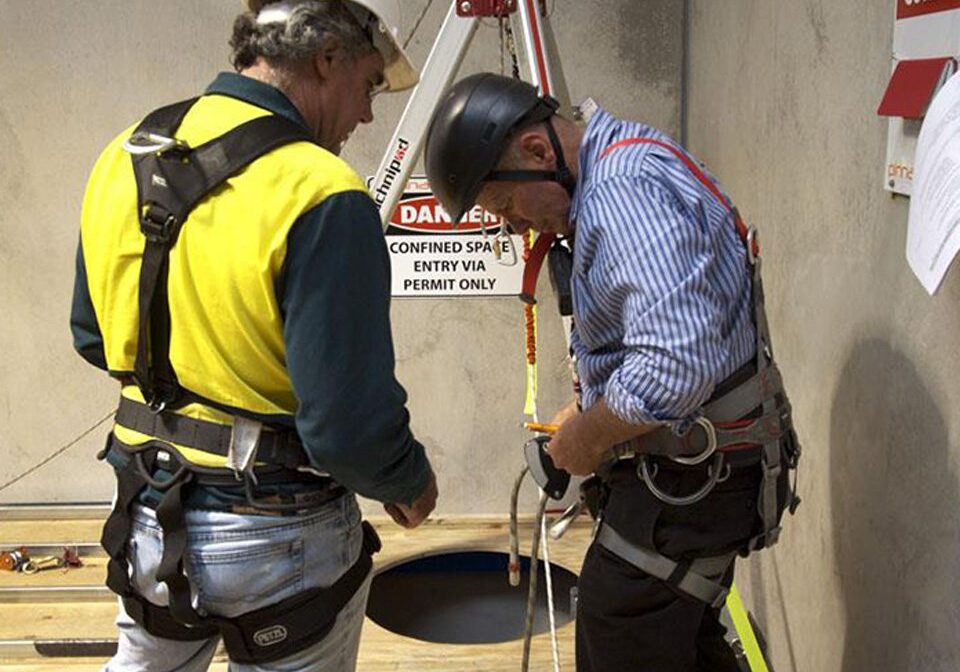
Confined Space Safety: Many pipeline construction tasks are performed in confined spaces, such as trenches and tanks. Proper training on working in these areas is necessary to avoid accidents related to limited oxygen, toxic gases, and potential collapses.
-
Personal Protective Equipment (PPE): Employees should know how to properly use and maintain their PPE, such as hard hats, gloves, boots, and respiratory protection. Proper PPE usage helps to prevent injuries and illnesses caused by exposure to hazardous conditions.
-
Machinery Operation and Maintenance: Operating heavy machinery such as cranes and excavators is a fundamental part of pipeline construction. Training in machinery operation and maintenance ensures workers can operate equipment safely and troubleshoot problems efficiently.
The Advantages of Pipeline Construction Safety Training Online
Traditionally, safety employee training was conducted in-person, which required employees to travel to training centers and take time off from work. However, the advent of pipeline construction safety training online has made safety training more accessible and flexible for workers. There are several advantages to taking pipeline safety courses online:
-
Flexibility: Online training allows employees to complete courses at their own pace and on their own schedule. This is especially beneficial for companies with multiple job sites or workers who are spread across different locations.
-
Cost-Effectiveness: Online safety training can be more affordable than traditional in-person classes. It eliminates the need for travel expenses and reduces the time spent away from work, allowing for better productivity.
-
Comprehensive Learning: Online courses can provide a wide range of resources, such as videos, quizzes, and interactive modules, to help reinforce learning. This enables employees to understand complex concepts and safety protocols more effectively.
-
Easy Updates: Safety regulations and guidelines may change over time. Online training platforms make it easier for companies to update courses and ensure that employees stay up-to-date with the latest safety procedures and regulations.
How Online Safety Training Benefits Employers
For employers, pipeline construction safety training online offers several benefits. By providing accessible and effective training, employers can reduce the risk of accidents and injuries on the job. Moreover, online training platforms often include tracking features that allow employers to monitor employees’ progress and ensure compliance with safety standards. This can be particularly useful in industries where safety certifications and documentation are required.
Ensuring that employees receive the proper safety training is essential for the success and safety of pipeline construction projects. By investing in safety employee training and utilizing pipeline construction safety training online, employers can create a safer work environment for their workers and protect their company from costly accidents and liabilities.
For more information on this topic, see our website.
ATV driver training course online
safety training online courses
Building a Safer Future with Comprehensive Workplace and Traffic Training
A safe workplace is the cornerstone of a productive environment. Safety training workplace programs play a critical role in minimizing risks and preventing accidents. These programs equip employees with essential knowledge and skills to identify hazards, follow protocols, and respond effectively to emergencies. Organizations that prioritize such training create a culture of safety, fostering confidence among workers and improving overall operational efficiency. The benefits extend beyond compliance, as trained employees contribute to a harmonious work environment where safety and productivity go hand in hand.
Empowering Professionals with Online Traffic Control Training
The growing need for efficient traffic management has made online traffic control training an indispensable resource. This training provides individuals with the expertise to manage vehicular and pedestrian flow safely in various settings, from construction zones to special events. Accessible and flexible, online training allows participants to learn at their own pace while gaining crucial certifications. The practical skills acquired through online traffic control training reduce accidents, enhance coordination, and ensure the safety of all road users.
Bridging Gaps with Digital Learning Platforms
Technology has revolutionized the way people acquire safety skills, bridging gaps in accessibility and convenience. Programs like online traffic control training and other digital safety courses have enabled learners to gain high-quality training without geographical or time constraints. These platforms integrate interactive modules, real-life scenarios, and expert guidance to deliver an engaging and effective learning experience. This shift towards online learning has not only made safety education more accessible but also created opportunities for individuals to upskill and advance in their careers.
The Role of Training in Compliance and Legal Safety
Safety training programs, including safety training workplace, ensure organizations meet legal requirements and industry standards. Regulatory compliance protects companies from liabilities while safeguarding the well-being of their workforce. Employees trained in safety protocols are better equipped to follow rules, reducing incidents and creating a safer working environment. Training also minimizes downtime caused by accidents, saving costs and reinforcing an organization’s commitment to ethical practices. Proper education and adherence to safety standards reflect a company’s dedication to employee welfare and public safety.
Conclusion:
Investing in safety training creates a foundation for growth, resilience, and success. Whether through safety training workplace programs or online traffic control training, these initiatives safeguard lives and promote confidence in professional environments. For individuals and organizations looking to explore comprehensive safety training options, safetraining.com provides innovative solutions tailored to meet diverse needs. Prioritizing safety today leads to a secure and thriving tomorrow.
To get a more comprehensive understanding, check out
 safetraining.com